Trading Forex in Nigeria has grown immensely popular, attracting everyone from seasoned investors to curious beginners. With the promise of high returns and the flexibility to trade anytime, it’s no surprise many are diving into the world of currency exchange. But is it as straightforward as it seems?
Nigeria’s thriving Forex market offers opportunities, but it also comes with risks. From understanding regulations to choosing the right brokers, there’s a lot to consider. This guide breaks down the essentials, helping traders navigate the Nigerian Forex world confidently and avoid common pitfalls.
Understanding Forex Trading
Forex trading, valued at over $7.5 trillion in daily transactions globally (BIS, 2022), involves exchanging one currency for another, aiming to profit from price differences. Traders buy and sell currency pairs like EUR/USD, GBP/JPY, or USD/NGN in a decentralised market operating 24/5.
Participants include individual traders, banks, and institutional investors, each aiming to exploit market movements. Currency values change due to factors like geopolitical events, economic data, and market sentiment, requiring traders to stay informed. Platforms such as MetaTrader 4 or 5 are commonly used for analyses and executing trades.
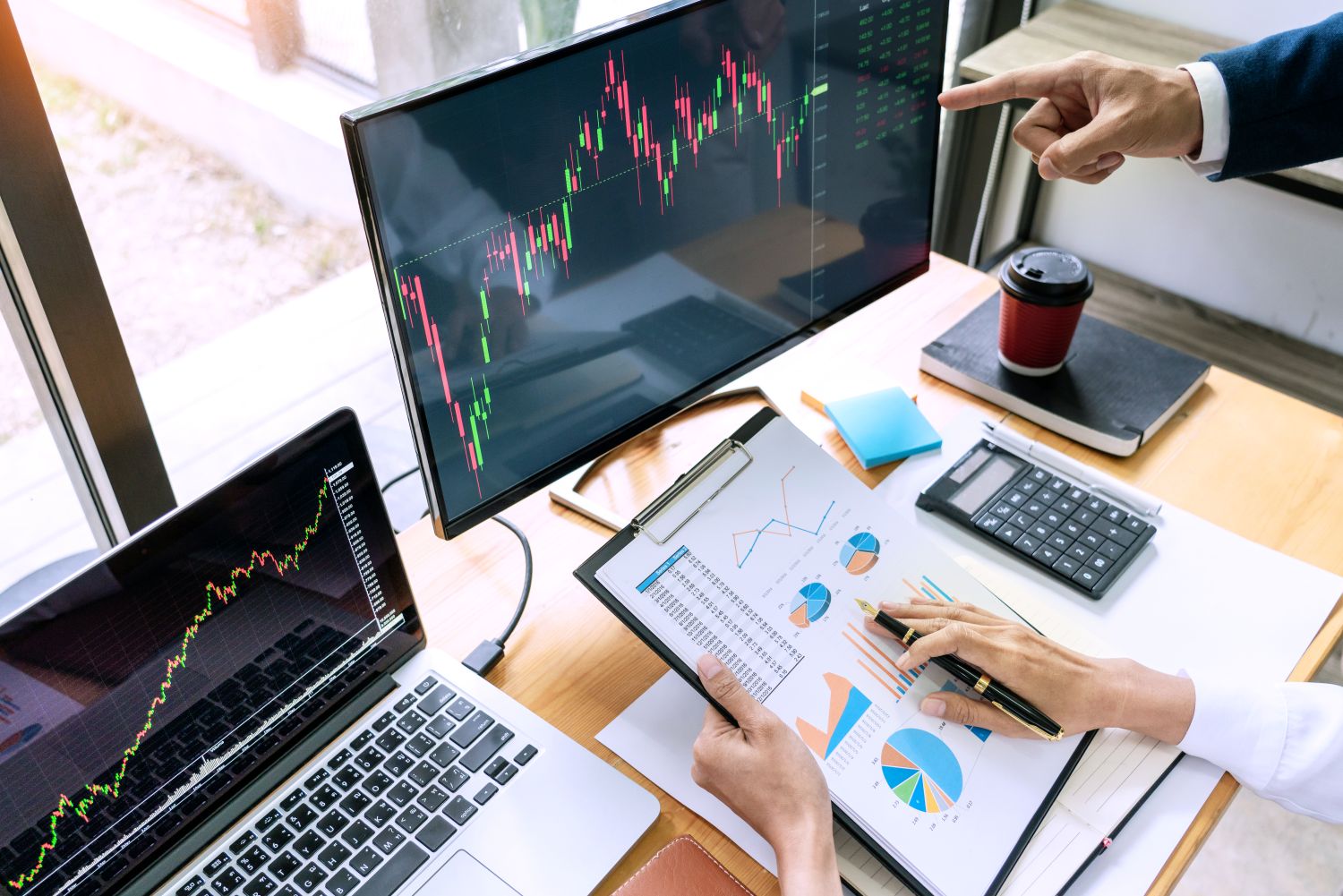
Two key strategies dominate Forex trading: technical analysis, focusing on charts and patterns, and fundamental analysis, which examines economic indicators like interest rates or employment data. Successful traders often blend both approaches to understand market trends.
For Nigerians, understanding Forex regulations is crucial. The Central Bank of Nigeria (CBN) monitors Forex transactions, and traders must ensure brokers comply with global standards. Opting for brokers licensed by reputable organisations like CySEC or the FCA enhances transparency and security.
Educational resources, including webinars, demo accounts, and economic calendars, are pivotal for building strong trading foundations. Without knowledge, even substantial capital can lead to losses. The next section explores tools and strategies to mitigate risks while maximising gains.
The Popularity Of Forex Trading In Nigeria
Forex trading has become one of Nigeria’s fastest-growing investment sectors, with over 300,000 active retail traders as of 2022, according to data from financial market analyses. Rising unemployment rates and the search for alternative income streams contribute to this trend, while increased internet access has simplified market entry.
Why Forex Trading Has Gained Traction
Nigeria ranks among Africa’s top trading hubs due to several factors. High inflation rates push individuals to seek opportunities to preserve and grow their wealth, with Forex offering an accessible avenue. The 24/7 market availability aligns with Nigerians’ preference for flexible, low-barrier investments. Also, online brokers, global Forex platforms, and trading applications simplify access to international markets.
Government restrictions on access to foreign exchange for imports further boost demand for Forex trading as traders look to navigate currency fluctuations more effectively. Beyond income generation, the rising Forex community within Nigeria and social media influencers promoting Forex-related training programs foster increasing interest.
Key Demographics Of Forex Traders In Nigeria
Young adults, particularly those aged 25–34, dominate Nigeria’s Forex trading scene, forming 50% of retail traders, as shown in a 2021 industry report. Most traders belong to urban areas like Lagos and Abuja, where digital infrastructure supports wireless communication and a thriving tech environment.
Educated individuals with basic economic knowledge are regular participants, though students, freelancers, and part-time workers form a growing share due to the market’s low capital requirements. Awareness campaigns by fintech companies and trading groups appeal to this younger, tech-savvy demographic. Expanding smartphone use and access to mobile data help on-the-go trading, broadening its appeal across different groups.
How To Start Trading Forex In Nigeria
Getting started with Forex trading in Nigeria involves a few key steps, from selecting a broker to learning the basics of the market. With a strong foundation, traders can make informed decisions and manage risks effectively.
Choosing A Reliable Broker
In 2023, the Nigerian Forex market offers access to global brokers, but picking a reliable one is essential for a secure trading experience. Traders should prioritise brokers regulated by authorities like the Financial Conduct Authority (FCA) or the Australian Securities and Investments Commission (ASIC). These regulatory bodies ensure transparent practices and protect traders’ funds.
Local accessibility is another important consideration. Some global brokers provide dedicated platforms for Nigerian traders, offering naira deposit options and local payment methods like bank transfers. Comparing transaction fees, spreads, and leverage rates helps traders choose a cost-effective and flexible broker. Checking user reviews and customer support quality further adds a layer of assurance.
After selecting a broker, they move to the next step—setting up an account for actual trading.
Setting Up A Trading Account
Traders typically start by opening an online trading account, which often takes less than 10 minutes. Most brokers allow users to register through a mobile app or website. A valid government-issued ID, proof of address (utility bill or bank statement), and an email are standard requirements to complete the registration process.
After verifying their identity, traders can fund their accounts. Many brokers support multiple payment options in Nigeria, such as credit cards, online wallets, and local bank transfers. Depositing in naira eliminates currency conversion fees, making it a popular choice for Nigerian traders.
New users are advised to begin with low deposits, focusing on building confidence through trading practice while learning the system’s nuances.
Learning The Basics Of Forex Trading
Understanding Forex basics is vital for success in Nigeria’s dynamic trading environment. Forex involves trading pairs like USD/NGN or EUR/USD, where profit depends on currency price fluctuations. Terms like “pips,” “spreads,” and “lots” should be part of every trader’s vocabulary.
Educational resources are readily accessible through broker platforms. Free demo accounts help newcomers practise in real-time market conditions without risking funds. Many brokers also offer webinars, tutorials, and eBooks, giving an in-depth understanding of Forex strategies and market analysis methods.
Technical and fundamental analysis are areas worth attention. Learning to interpret charts, identify trends, and assess economic data prepares traders for well-informed choice-making. As traders master these basics, they’re better equipped to approach live trading scenarios.
Benefits Of Trading Forex In Nigeria
Potential For High Returns
Forex trading represents a global market with daily transactions exceeding $7.5 trillion, offering Nigerian traders opportunities to earn significant profits. Currency price fluctuations, often driven by market volatility, can yield high returns for those who execute trades strategically. For example, trading major pairs like EUR/USD or GBP/USD typically provides smaller spreads and higher liquidity, which are ideal for maximising gains.
Successful traders often combine technical analysis tools such as candlestick charts with economic news to make informed decisions. The leverage offered by reputable brokers enables traders to control larger positions using smaller capital, amplifying potential gains. According to global reports, Forex trading ROI can surpass traditional investments like fixed deposits or stocks under favourable conditions. Time spent mastering skills and applying sound risk management is key for maximising returns.
This lucrative potential attracts both novices and investors looking to diversify their income sources, fostering participation even though financial or employment limitations. Transitioning to accessibility, Forex trading continues to lower entry barriers for Nigerians.
Accessibility And Flexibility
Forex trading operates 24 hours a day, enabling Nigerians to trade regardless of their schedules. The decentralised structure supports trading across global markets—Asia, Europe, and the US—within varying time zones. For instance, a trader in Lagos can place trades outside conventional work hours, accommodating personal commitments or alternative employment.
Accessibility has improved through digital platforms like MetaTrader 4 and smartphone applications, making it feasible for rural traders to connect even though geographical constraints. Initial deposit requirements tend to be minimal, some brokers allowing accounts with as little as ₦5,000 ($10), increasing inclusivity across different income levels.
Also, internet penetration, reported at over 40% in Nigeria, facilitates market access and encourages online trading. Paired with demo accounts, new traders can practise risk-free before committing real funds.
These flexible features simplify Forex participation, catering to diverse demographics. While access expands, growing online communities and readily available resources further enhance user experiences for Nigerian traders.
Growing Online Resources And Communities
The rise of digital resources and communities provides Nigerian traders with educational and interactive platforms. Websites offering free tutorials, YouTube channels, and broker-led webinars equip users with essential Forex knowledge. Social media has also facilitated active trading communities, especially on platforms like Telegram and WhatsApp, where strategies and tips are exchanged.
Leading fintech firms regularly organise training events, some targeting urban hubs like Lagos or Abuja. For example, in 2022, local brokers reported a 25% surge in demand for such workshops, reflecting increased interest.
Beginner traders can also explore automated tools like trading bots, enabling passive income opportunities. Also, forums on platforms like Babypips are invaluable for troubleshooting or discussing recent market developments. Robust support from these resources helps traders make confident decisions.
This collaborative ecosystem fosters not only technical skill development but also emotional resilience, an essential attribute for dealing with Forex volatility.
Challenges Of Trading Forex In Nigeria
Regulatory Concerns
Forex trading regulations in Nigeria are governed by the Central Bank of Nigeria (CBN), but this market remains largely unregulated for individual traders. While the CBN oversees currency exchange policies, there aren’t specific frameworks protecting retail traders. This creates a world where traders face unclear policies and potential risks if disputes arise with brokers.
Offshore brokers often dominate the Nigerian Forex market as local institutions typically don’t offer Forex trading services. Many of these brokers lack oversight from reputable regulatory agencies like the FCA or ASIC. Inadequate regulation can lead to issues such as delayed withdrawals, unfair practices, or increased exposure to unethical activities.
Without strict enforcement, there’s limited recourse when encountering irregularities in transactions or broker operations. This challenges traders to rely on international brokers who comply with recognised global standards, ensuring better transparency and security.
High Risk And Volatility
Forex trading is inherently volatile—the daily global trading volume exceeds $7.5 trillion, driven by factors like geopolitical tensions, economic policies, and market sentiment. Nigerian traders face amplified risks due to unpredictable currency fluctuations in the naira caused by local conditions, such as inflation or fluctuating interest rates.
Leverage, while attractive for potential gains, dramatically increases exposure to losses, particularly for inexperienced traders. Brokers often offer high leverage up to 1:1000, which can result in rapid capital depletion during unfavourable market moves. Many Nigerians have reportedly lost significant investments due to insufficient market knowledge or poor risk management practices.
This unpredictability often discourages new traders or forces them to trade smaller volumes. Guidance from reputable educational platforms becomes crucial in helping traders mitigate risks and develop sustainable strategies.
Scams And Fraudulent Brokers
Online scams and unregulated brokers are rampant in Nigeria’s Forex trading scene. Data from 2023 reveals scams contributed to over $12 billion in annual losses globally, and Nigerian traders are frequently targeted due to relaxed local oversight. Fraudulent brokers lure traders with unrealistic promises of instant profits, high bonuses, or zero-risk strategies.
Ponzi schemes disguised as Forex training programs have also become prevalent. They exploit naive traders by requiring upfront fees or deposits, only to vanish once funds are collected. Lack of experience or access to verified brokers often puts new entrants at risk.
Preventing scams requires verifying brokers for licences from authorities like the FCA, ASIC, or CySEC. Caution and research into broker reviews, withdrawal policies, and licensing details help safeguard investments. Adopting safe trading habits builds trust and resilience in Nigeria’s evolving Forex market.
Tips For Successful Forex Trading In Nigeria
Educate Yourself On Market Trends
About 80% of successful Forex trading relies on staying informed about market trends. Currency fluctuations in Nigeria are influenced by factors like inflation rates, the Central Bank of Nigeria’s policies, and global economic events. Analysing these elements can help traders anticipate price movements effectively. For example, political instability can weaken a currency, while rising crude oil prices, a major Nigerian export, often strengthen the naira.
Resources like economic calendars and reliable Forex news platforms are essential for tracking key events. Tools such as TradingView or MetaTrader provide data on trend lines and price patterns, equipping traders to make informed decisions. Comprehensive research minimises emotional decisions, reducing preventable losses.
Traders should also follow local experts and communities to gain insights specific to Nigeria’s Forex environment. Understanding market behaviour over time creates a strong foundation for exploring fluctuations.
Start With A Demo Account
A demo account lets new traders practise without financial risk. Major brokers like FXTM and Exness offer free demo accounts loaded with virtual funds, simulating real market conditions. These accounts help traders learn essential functions, from placing trades to interpreting charts, without pressure.
In Nigeria, where over 300,000 active Forex traders participate, beginner mistakes are common. For instance, misunderstanding leverage can lead to amplified losses. Demo accounts allow users to test strategies and grasp risk management before committing real money. They’re also a useful way to evaluate a broker’s platform performance and user interface.
Practising on a demo account for at least one month prepares traders for live trading environments. Once confident, transitioning to a live trading account with a small deposit ensures calculated risk-taking.
Manage Risks Effectively
Over 70% of retail Forex traders lose money globally, often because of poor risk management. To avoid this, traders in Nigeria should limit trades to 1-2% of their account balance. This approach prevents significant losses from a single market move.
Setting stop-loss and take-profit orders provides added security. These features automatically close trades when specific pricing conditions are met, protecting capital. Brokers like OctaFX and HotForex offer user-friendly platforms for managing these controls. Nigerian traders particularly face high volatility in pairs like USD/NGN, demanding strict risk policies.
Avoiding emotional trading is vital. Keeping a trading journal to record strategies, losses, and wins can help build consistent habits. Combining discipline with proper risk controls makes exploring the forex world less daunting.
Conclusion
Forex trading in Nigeria continues to attract a growing number of participants, offering opportunities for financial growth and flexibility. But, success in this dynamic market requires a solid understanding of its fundamentals, careful broker selection, and effective risk management.
By leveraging educational resources and staying informed about market trends, traders can develop the skills needed to navigate challenges and capitalise on opportunities. With the right approach, Forex trading can become a rewarding endeavour for Nigerians looking to diversify their investment strategies.